Monday, April 10, 2017

How To Fully Maximize Natural Lighting During Events

Event photography is very particular about lighting. Too often, photographers ask their subjects to come into a studio or a similar space where they can adjust lighting effectively to get the best shot. There are times, however, when artificial studio lighting won’t work -- especially if one is, say, covering an outdoor wedding. For these cases, it is best to use natural lighting. There are some challenges involved here; not every space or light opens subjects to their best angles. Different kinds of natural light can produce a wide variety of subject appearance, even if they come from the same light source. It is, therefore, important to learn how to fully maximize natural lighting to gain the best shot.

Image Source: 121clicks.com
Time of day: All natural light comes from the sun; however, a subject’s illumination depends on the time the photographer sets to shoot the subject. In general, a subject can be illuminated in three ways: direct (which has a high contrast and is generally warmer), diffuse (which is cooler but has a low contrast), and bounced (which has the qualities of a reflecting object). Many photographers suggest shooting either in early morning or late afternoon to get the best contrast, and to have shots that look as real as can be. That said, there are still others who suggest that photographers should really shoot at whatever time of the day would best give the intended look.

Other weather conditions: Understand that weather plays an essential role in how much natural light is filtered between the sun and the subject. Light can be relatively warm and highly localized, or it can be incredibly cool, enveloping the subject. The thickness and extent of cloud cover will decide to what extent your subject is seen. Photographers should also take note that stormy weather would require them to learn how to protect their gear.

Image Source: digitalphotographyschool.com
Expert photographers recommend shooting in RAW and adjusting the white balance when shooting under dense cloud cover. This will prevent images appearing more bluish.

John Bradberry is a retired photographer but does consulting jobs. For more photography advice, follow John on Twitter.

Wednesday, March 15, 2017

Avoid These Five Wedding Photography Mistakes

Many event photographers say that their test of whether they’ve made is is how well they perform at weddings. These events carry with them the added pressure that this is a momentous occassion for two people. In this singular event, two people are making the choice of being together forever. It is therefore important to them that their photographer captures every single moment - from the tears to the smiles. Beginner photographers should take note of these five mistakes to avoid.

Image Source: tallpress.com
Poor exposure: Arguably the most important part of the wedding is the bride’s dress. Novices can encounter difficulties capturing the dress, expecially with poor exposure. Overexposing the white mass will show it with no details. On the other hand, underexposing the dress will make it look gray and forlorn-looking.

Awkward backgrounds: Photographers should look at the venue before the big day. This way, they can look for vantage points. Even the best pictures will not look as nice if the background is messy and distracting.

Squinting couple: It is also essential to take note of where the sun will be during critical times. One of the worst things to happen is to have a perfect shot but then find the couple squinting because of the sun. Look for a nice background that has some shade.

Image Source: digital-photography-school.com
Forgetting a shot: This is forgiveable if the person is not the official photographer. However, hired professionals are expected to photograph everyone and everything that is important. This trickles down to even small things like the mother looking at her daughter and other similar events.

Faulty equipment: Always be prepared. Check out gear before the event. Photographers also recommend bringing in back-up equipment.

Wedding photography is improved with time. Practice and experience are necessary and informative teachers.

John Bradberry is a consulting photographer for wedding events. Learn more when you follow this blog.

Tuesday, February 14, 2017

Avoid These Five Wedding Photography Mistakes

Many event photographers say that their test of whether they’ve made is is how well they perform at weddings. These events carry with them the added pressure that this is a momentous occassion for two people. In this singular event, two people are making the choice of being together forever. It is therefore important to them that their photographer captures every single moment - from the tears to the smiles. Beginner photographers should take note of these five mistakes to avoid.

Image Source: tallpress.com
Poor exposure: Arguably the most important part of the wedding is the bride’s dress. Novices can encounter difficulties capturing the dress, expecially with poor exposure. Overexposing the white mass will show it with no details. On the other hand, underexposing the dress will make it look gray and forlorn-looking.

Awkward backgrounds: Photographers should look at the venue before the big day. This way, they can look for vantage points. Even the best pictures will not look as nice if the background is messy and distracting.

Squinting couple: It is also essential to take note of where the sun will be during critical times. One of the worst things to happen is to have a perfect shot but then find the couple squinting because of the sun. Look for a nice background that has some shade.

Image Source: digital-photography-school.com
Forgetting a shot: This is forgiveable if the person is not the official photographer. However, hired professionals are expected to photograph everyone and everything that is important. This trickles down to even small things like the mother looking at her daughter and other similar events.

Faulty equipment: Always be prepared. Check out gear before the event. Photographers also recommend bringing in back-up equipment.

Wedding photography is improved with time. Practice and experience are necessary and informative teachers.

John Bradberry is a consulting photographer for wedding events. Learn more when you follow this blog.

Tuesday, January 10, 2017

Candid Event Photography: Tip Sheet On Great Shots

Event photography is one of the most exciting branches of the industry as it relies heavily on human interactions. There is no telling what can happen. As such, event photographers are always on the lookout for candid moments. There is an unexplained joy in being able to capture a moment one knows was unplanned or unexpected. Furthermore, clients always appreciate receiving a portfolio filled with beautiful candid shots. Experts have compiled a list of tips that will help the beginning event photographer.

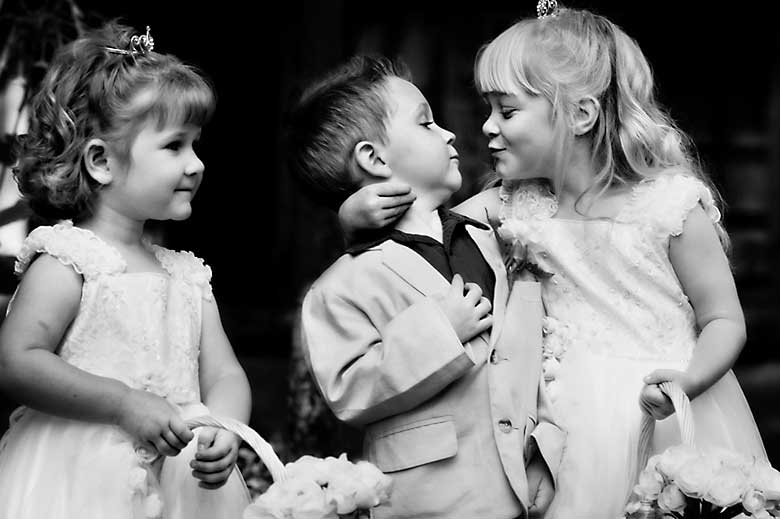
Image Source: picturecorrect.com


Use a long zoom: Candid shots means not having the subject know you’re taking the shot. Long zooms are incredibly helpful as you are able to capture people in their natural and relaxed state. Depending on the model you’re using, you may want to adjust your setting appropriately.

Don’t use flash: In line with the previous tip, try shooting without flash. It is best to walk around or scope the area beforehand to determine the best lighting angles available. With this knowledge, you can immediately head towards these vantage points during the event and snap away.

Try different angles: Being an event photographer pushes you to be creative. This is because you often have to find different perspectives to get that perfect shot. Taking candid shots teaches you how to shoot from the hip and rely on your instincts. It is not always necessary to keep shots at a singular level. Sometimes the best candid shots are taken at the most unusual angles.

Image Source: nyip.edu


Learn how to frame shots: Think of candid photography as a game. Some of the best candid shots are so because of the way they are framed. A good suggestion is to include something in the foreground, making the shot look like you are hiding behind it (and thus making it look like an actual person’s perspective).

Taking candid shots is a skill that can be honed with constant practice.

John Bradberry, a consulting photographer who specializes in event photography, especially for weddings. Learn more when you like this Facebook page.